May 16, 2026
Embarking on a renovation project brings a sense of renewal to any living space. The foundation of a room's aesthetic often rests upon the materials beneath your feet. While choosing the right aesthetic is vital, the groundwork laid before the professionals arrive determines the longevity and quality of the final result. Proper preparation minimizes disruptions, protects your belongings, and ensures that the transition to your new surface is seamless and efficient. By taking proactive steps, homeowners can transform a potentially stressful undertaking into a smooth progression toward a beautiful interior.
Clear The Furniture From Targeted Rooms
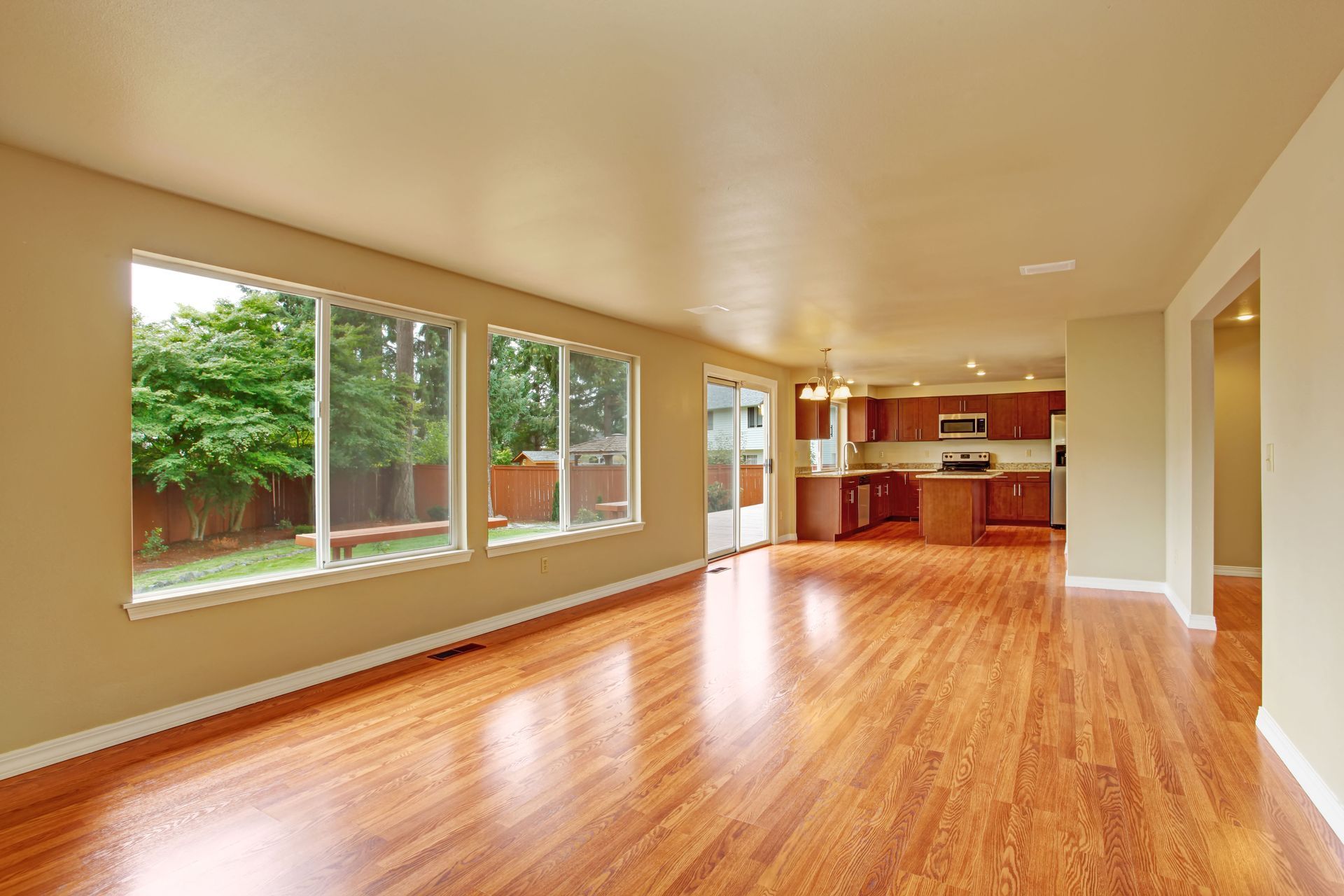
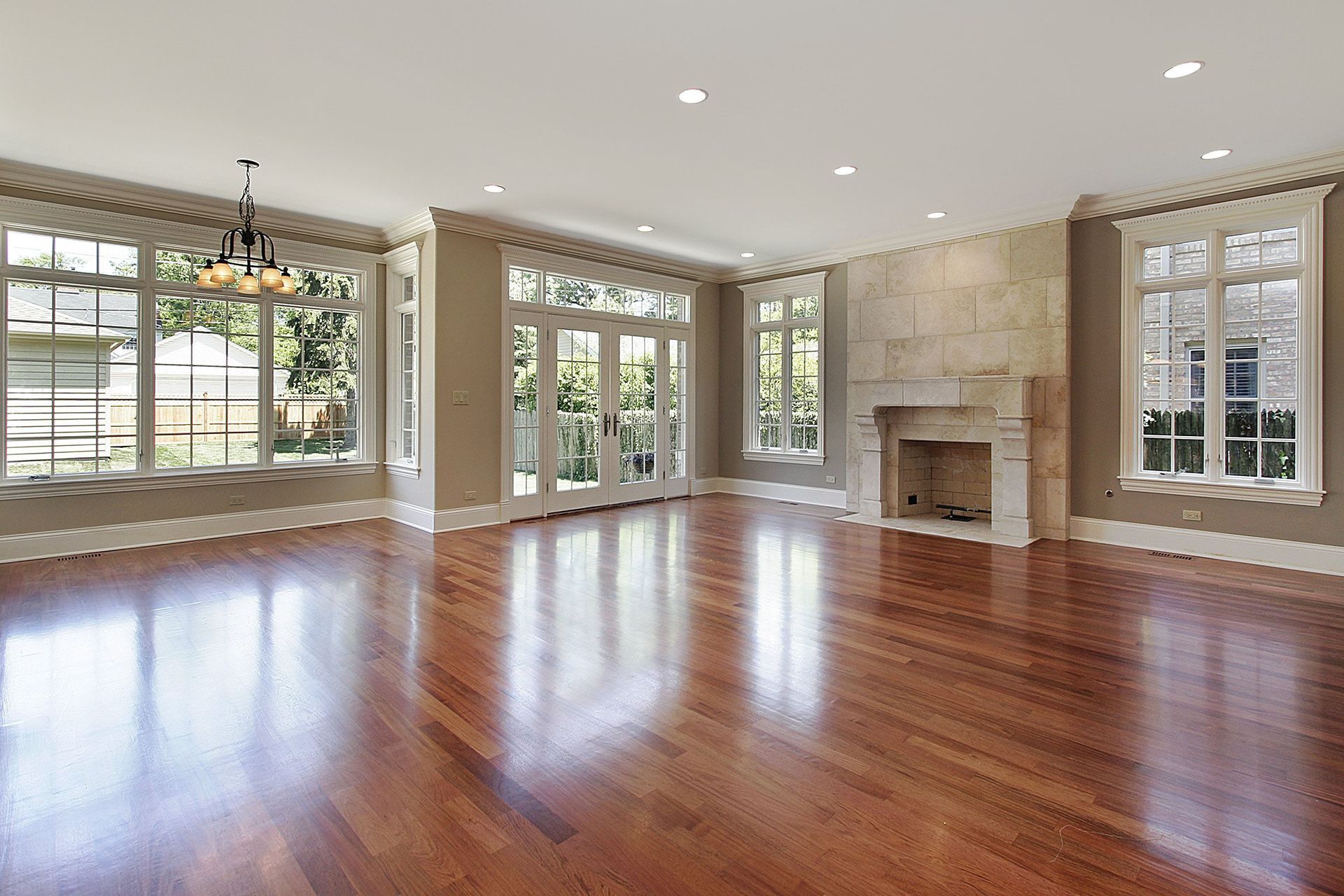
The first and most visible step involves creating an open workspace for the technicians. Every sofa, coffee table, and bookshelf must find a temporary residence outside the work zone. Even heavy items that seem stationary require relocation, as a successful flooring installation necessitates access to every inch of the subfloor. Moving these items ahead of time prevents delays and protects your valuable furnishings from accidental bumps or dust accumulation during the process. If you possess massive heirlooms that defy simple relocation, consider hiring professional movers to transition them to a garage or a separate floor. An empty room allows the installers to move freely, ensuring the layout is precise and the materials are handled with the utmost care.
Beyond the logistical benefits, clearing the room provides an opportunity to inspect the perimeter of your space. Baseboards and trim are often sensitive areas during a renovation. When the room is empty, you can decide whether to remove the molding yourself or have the professionals handle it. This also allows for a thorough cleaning of the items being moved, ensuring that you do not bring old dust back into a newly finished room. The more space you provide, the faster the crew can work, which often leads to a higher level of focus on the technical details of the placement.
Remove All Breakable Items And Decor
Beyond the large furniture, the smaller details of a room require attention. Vibrations from heavy machinery and constant foot traffic can cause items on shelves or walls to shift. It is prudent to take down paintings, mirrors, and photographs from the walls in the immediate vicinity. Clearing off mantelpieces and tabletops ensures that fragile ceramics or glass remain safe from the kinetic energy of the renovation. Think of the workspace as a dynamic environment where dust and movement are constant. By tucking these sentimental pieces away in padded bins, you eliminate the risk of accidental damage.
This step also provides a blank slate for the installers to evaluate the room's geometry without visual clutter interfering with their measurements. Even items in adjacent rooms or on the other side of a shared wall can be affected by the percussion of hammers or the hum of floor sanders. Removing these items ensures peace of mind for the homeowner and a safer environment for the crew. Once the flooring installation is complete, you will have a fresh canvas upon which to curate your decor, perhaps even finding new places for old treasures that better complement the updated aesthetic of the floor.
Clean The Subfloor Surfaces Thoroughly
Once the room is bare, the condition of the underlying surface becomes the primary focus. A pristine subfloor is the secret to a quiet, level, and durable finished product. Sweep away all debris, vacuum the corners, and ensure that no lingering adhesive or staples remain from the previous material. Any bumps or dips in the wood or concrete can translate through to the surface, causing unwanted clicking sounds or premature wear. According to Mordor Intelligence, engineered planks captured 71.98% of the hardwood flooring market share in 2025. This popular choice requires a remarkably flat foundation to perform as intended.
Investing time in sanitizing and leveling the base ensures that the adhesive or underlayment bonds perfectly, providing a solid foundation for the decades to come. If you notice moisture stains or soft spots in the plywood during this cleaning phase, it is essential to address these structural issues before the new boards are laid down. A clean subfloor also prevents allergens and old odors from being trapped beneath your new investment. This stage of the process is perhaps the most critical for the long-term structural integrity of the home, as it ensures that the layers of the floor work in harmony rather than competing against hidden imperfections.
Acclimate Your New Materials Indoors
Wood and laminate are organic materials that react to the environment around them. To prevent warping or gapping after the flooring installation, the materials must reach an equilibrium with the home's specific humidity and temperature levels. This involves bringing the boxes of planks into the designated rooms several days before the work begins. By allowing the materials to sit in the space where they will live, you ensure that any natural expansion or contraction happens before they are fastened down.
Keep the climate control systems running at normal levels during this period to simulate the typical living conditions of the household. This patience pays off by preventing the structural issues that arise when "shocked" materials are introduced to a new atmosphere and installed immediately. While it may feel like a nuisance to have stacks of boxes in your living room for a few days, it is a necessary ritual for natural products. During this time, you can also inspect the batches to ensure the color and grain patterns meet your expectations. Acclimation is the bridge between the warehouse environment and the unique ecosystem of your private residence.
Arrange For Pet And Child Safety
The sounds and smells of a flooring installation can be overwhelming for the smallest members of the family. Loud saws, tapping mallets, and chemical adhesives create an environment that is not conducive to children or pets. It is best to arrange for a temporary stay with relatives or at a daycare facility while the most intensive work occurs. If they must remain at home, ensure they are restricted to a safe, quiet area far from the noise and potential hazards like exposed nails or heavy equipment.
Keeping the workspace off-limits ensures the safety of your loved ones and allows the crew to focus entirely on the task at hand without the distraction of wandering feet. Clear communication with the installers regarding which doors will remain closed helps maintain these safety boundaries throughout the day. Furthermore, some adhesives and finishes may produce fumes that are more noticeable to those with smaller lung capacities or sensitive noses. Ensuring proper ventilation and keeping vulnerable family members away from the immediate area during the drying process is a vital component of a responsible home renovation plan.
Approaching your home improvement project with a structured plan turns a complex task into a manageable series of actions. From the moment you clear the first chair to the final hour of acclimation, your efforts directly influence the beauty and stability of your new environment. A well-prepared home serves as a testament to the respect you have for your investment and the professionals working within your walls. Once the dust settles and the tools are packed away, the rewards of your diligence will be evident in every step you take across your flawless new surface. Proper planning ensures that the aesthetic appeal of your home is matched by the quality of the craftsmanship beneath.
At Assured Quality Woodcraft, we believe that every masterpiece begins with a solid foundation, and we are honored to help you transform your vision into a reality that lasts a lifetime.